
 2024-07-13 09:33:35
A signature pad is an electronic device that captures handwritten signatures and stores them for future reference. It is commonly used in various industries such as banking, healthcare, and retail to verify the identity of customers or to confirm transactions. The process of storing and transmitting captured signatures involves several steps, including data capture, storage, encryption, and transmission.
Data Capture:
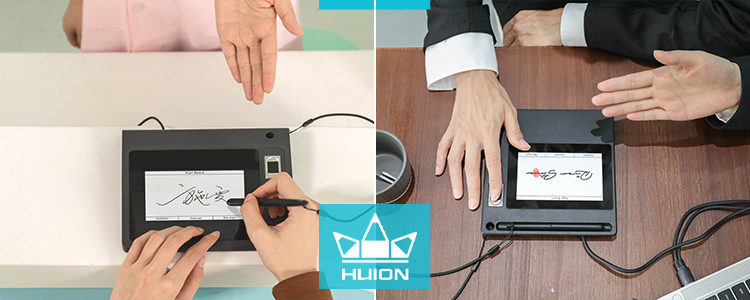
The first step in the process is capturing the signature. This is done using a stylus or a special pen that is connected to the signature pad. As the user signs their name, the signature pad records the movement of the pen on its surface. The pad typically uses a pressure-sensitive surface that can detect the amount of pressure applied by the pen, allowing it to capture the thickness and style of the signature.
Storage:
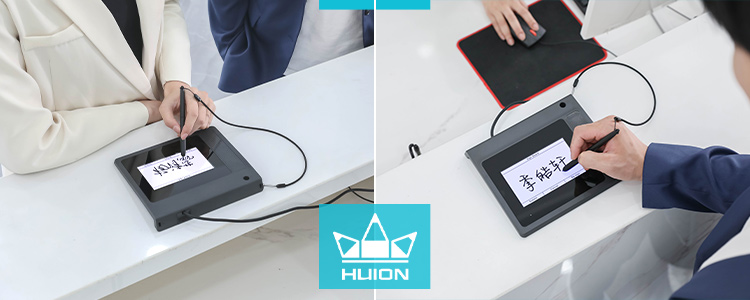
Once the signature is captured, it is stored on the signature pad's internal memory or on a removable storage device such as a USB drive or SD card. The signature pad usually has limited storage capacity, so it is important to regularly transfer the captured signatures to a more permanent storage solution. Some signature pads also have the capability to store additional information, such as the date and time of the signature, the name of the signer, and any associated transaction details.
Encryption:
To ensure the security and integrity of the captured signatures, they are often encrypted before being stored or transmitted. Encryption involves converting the signature data into a code that can only be deciphered with a specific key. This ensures that even if the data is intercepted during transmission, it cannot be read without the key. There are several encryption algorithms available, including AES (Advanced Encryption Standard) and RSA (Rivest-Shamir-Adleman).

Transmission:
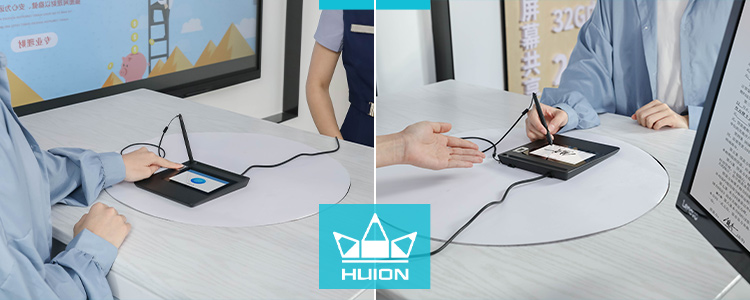
Once the signature is captured and stored, it can be transmitted to a central database or other location for further processing or analysis. Transmission can occur via a wired or wireless connection, depending on the capabilities of the signature pad. Wired connections are typically more secure but may not be practical in all situations. Wireless connections, such as Wi-Fi or Bluetooth, offer greater flexibility but may be vulnerable to hacking or other security threats.
To ensure the security of the transmitted data, it is often encrypted before being sent. The receiving system must have the appropriate decryption key to access the data. Additionally, many signature pads use secure communication protocols such as HTTPS or SSL to protect the data during transmission.
In conclusion, a signature pad stores and transmits captured signatures through a combination of data capture, storage, encryption, and transmission. By using these processes, signature pads can provide a secure and efficient way to verify identities and confirm transactions in a variety of industries.